
Dental Implants in Brickell for a Permanent, Natural-Looking Smile
At HQ Dontics, we specialize in offering dental implants, the most advanced and permanent solution for replacing missing teeth. Dental implants are designed to look, feel, and function just like your natural teeth, restoring both your smile and your confidence. Whether you’re missing one tooth or several, our expertly crafted dental implants provide a long-lasting solution that blends seamlessly with your natural teeth.
Our experienced team uses the latest dental technology and techniques to ensure your dental implants are placed with precision, delivering results that are both aesthetically pleasing and functional. With dental implants, you can enjoy the confidence of a beautiful, secure smile for years to come.
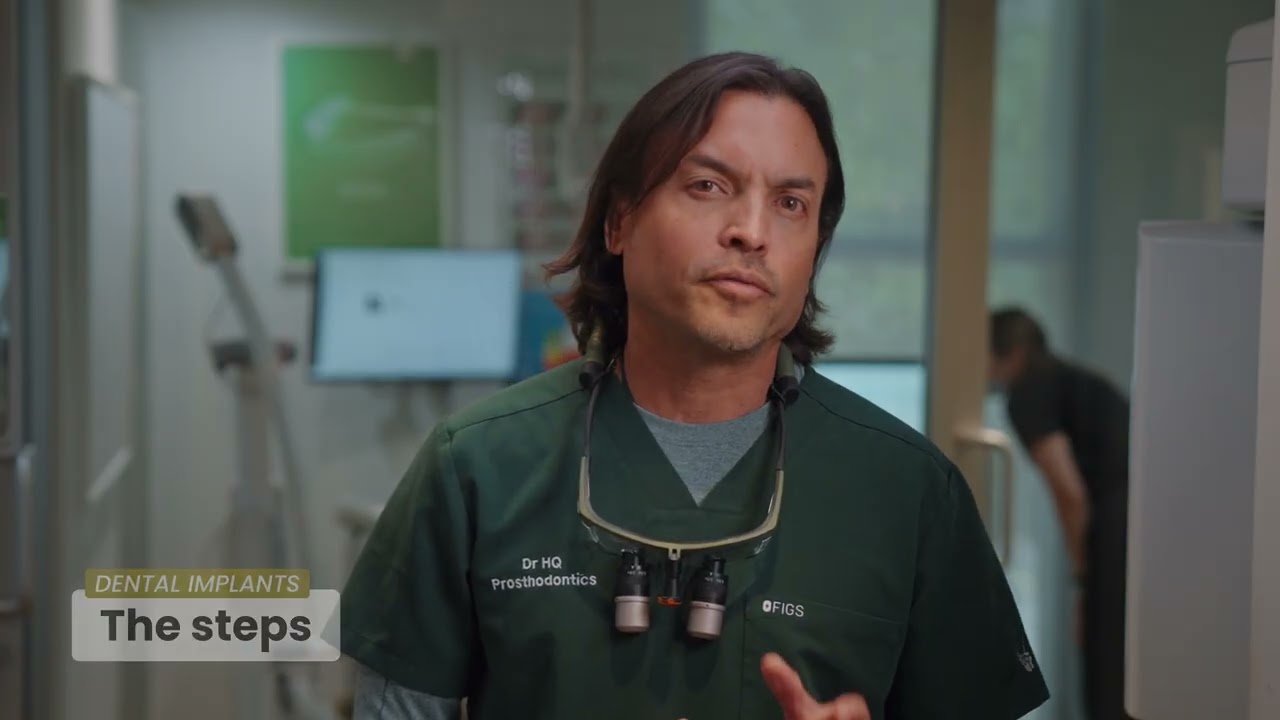
What does a dental implant replace?
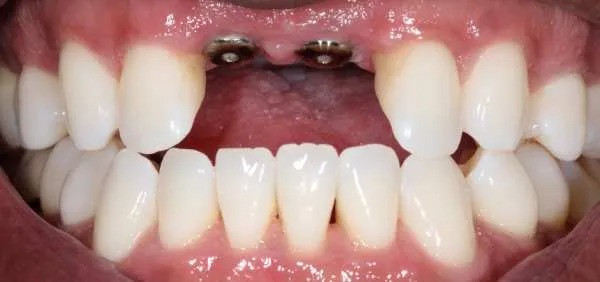
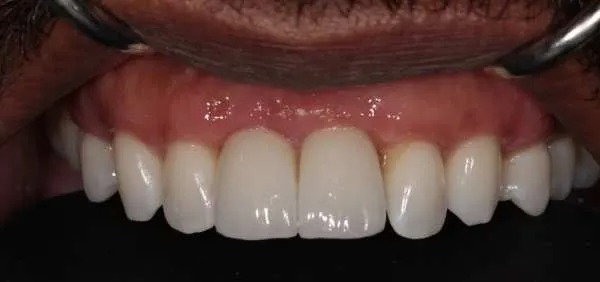
A dental implant replaces the root portion of a missing tooth. We place it in the jawbone, and over time, the bone heals around the implant in a process called osseointegration. Once the implant is ready to support the restoration, we can place a crown on top to replace the visible portion of the missing tooth.
Why might an implant be recommended for a missing tooth?
One advantage of an implant is that it can replace a missing tooth without relying on the neighboring teeth for support. A traditional dental bridge commonly requires the teeth on either side of the missing space to be prepared for crowns.
An implant is supported independently by the jawbone, so the neighboring teeth generally don't need to be prepared. Whether an implant or another replacement option is appropriate depends on the individual situation.
What factors can affect dental implant candidacy?
We start with your medical and dental history. Age alone doesn't necessarily prevent someone from receiving a dental implant, but several health and lifestyle factors can affect candidacy and healing.
For example, poorly controlled diabetes can increase the risk of complications, so we want the condition appropriately managed. Smoking can also increase the risk of implant complications and failure.
There are other factors we consider as well, including available bone, gum health, medications, certain medical conditions, previous treatments, and your ability to maintain the implant over time.
How do you plan and place a dental implant?
First, we evaluate the area and determine whether there's enough bone to support an implant. A CBCT scan may be used to give us a three-dimensional view of the bone and nearby anatomical structures.
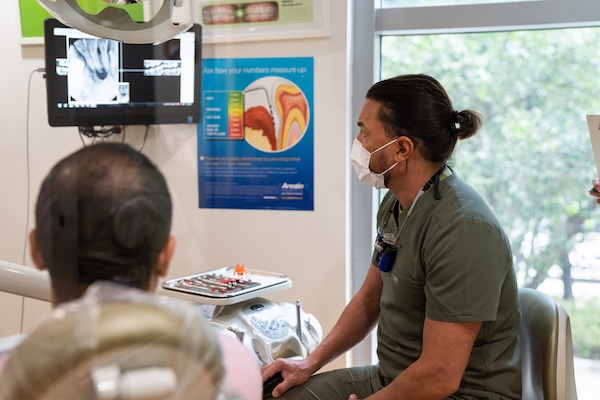
We can then digitally plan the implant position. In some cases, we may use a surgical guide to help transfer that planned position to the mouth during implant placement.
After the implant is placed, we may close the gum tissue over it or leave a healing component visible, depending on the treatment approach. The implant then needs time to integrate with the surrounding bone.
Once the implant is ready for restoration, we take a digital scan or impression and fabricate the replacement tooth. Depending on the implant system and individual case, the crown may be screw-retained or cement-retained.
What if there isn't enough bone for an implant?
If there isn't enough bone to support the planned implant, bone grafting may be an option. Bone can decrease in volume after a tooth is lost, although the amount varies from person to person and from one area of the mouth to another.
Bone grafting procedures range from relatively minor to more involved depending on how much bone needs to be rebuilt and where the implant will be placed. Recovery and healing time also vary based on the type and extent of grafting.
How long can a dental implant last?
Dental implants can function for many years and, in some patients, for decades. However, there's no guaranteed lifespan for an implant.
Long-term success depends on factors such as the health of the surrounding bone and gums, oral hygiene, smoking, medical conditions, bite forces, and regular professional care. The crown or other restoration attached to the implant may also need maintenance, repair, or replacement over time.
Can a dental implant get a cavity?
An implant itself can't develop tooth decay because it isn't a natural tooth. However, the tissues around an implant can develop inflammatory conditions.
One of those conditions is peri-implantitis, which involves inflammation and progressive loss of supporting bone around an implant. That's why cleaning around your implant and keeping up with regular dental visits are important even though the implant can't get a cavity.
Does insurance cover dental implants?
Dental insurance coverage for implants varies significantly between plans. Some plans provide partial benefits for implant treatment, while others exclude implants or place limitations on the procedures associated with them.
Coverage can also vary for the different parts of treatment, including extraction, bone grafting, implant placement, the abutment, and the final crown. We'll review your treatment estimate and available insurance benefits with you, and we can also discuss financing options when appropriate.
If you’re searching for quality dental care, we’re here to help. Call (229) 508-0551 or email [email protected] to schedule your visit. Our team is committed to keeping your smile healthy.