
Restorative Dentistry Services in Brickell
Refers to the study, diagnosis, and management of diseases of the teeth, gums, and supporting structures and the rehabilitation of the dentition to functional and aesthetic requirements of the individual. Restorative needs do not derive from only diseases of the teeth like cavities and medical conditions but also from trauma.
Restorative dentistry encompasses the dental specialties of endodontics, periodontics, and prosthodontics and its foundation is based upon how these interact in cases requiring multifaceted care.
Prosthodontists are experts in Dental Implants, Dentures, Veneers, Crowns, and Temporomandibular disorders (TMD), among other complex restorative and reconstructive procedures.
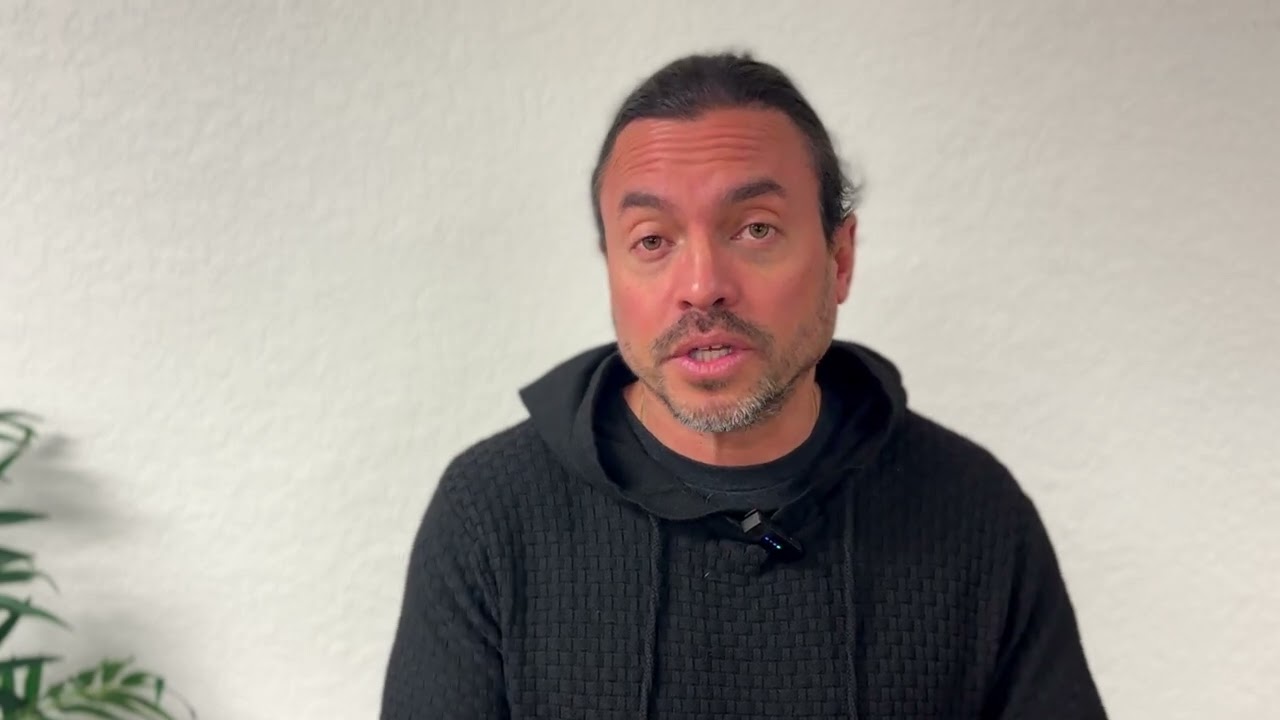
What is the difference between restorative dentistry and cosmetic dentistry?
Restorative dentistry is a group of procedures that are done usually to fix, rebuild, or restore a tooth that has lost a certain amount of tooth structure. Professionally, I believe that dentistry should be cosmetic. However, cosmetic dentistry is usually divided into procedures that are meant to enhance or improve the appearance of a smile or a specific tooth.
Restorative dentistry, on the other hand, is more focused on fixing what is missing. Essentially, if you're missing a tooth, we're restoring that missing tooth. If you're missing a portion of your tooth, we're restoring that portion. For restorative dentistry to be needed, you must have a missing tooth, a fractured tooth, a portion of the tooth fractured, or a cavity, which is a hole in the tooth that we need to restore.
Is sedation or anesthesia used during restorative dentistry procedures?
Sedation or anesthesia is usually used during almost all restorative procedures. The benefits of restorative dentistry include bringing back what you're missing and restoring your mouth to health. If you're missing a tooth, you're replacing that tooth and regaining function. We want you to function properly, eat properly, and smile properly. All of this can be achieved with restorative dentistry.
What are the risks of restorative dentistry procedures?
There are usually risks involved with almost everything we do in dentistry, medicine, or any clinical procedure. Most procedures are safe if performed in the proper environment and with the appropriate precautions.
How long does it take to recover from restorative dentistry?
Depending on the procedure you're having done, if it's a surgical procedure, you may experience a few days of downtime. However, it's not usually enough to require stopping work or other activities. Typically, restorative procedures like crowns, bridges, restorations, and composite fillings don't require any downtime. As soon as your anesthesia wears off, you'll be good to go.
Learn more about our restorative services:
If you’re ready to schedule an exam or would like to learn more about our services, we’d love to hear from you. Call us at (229) 508-0551 or email [email protected]. We look forward to caring for your smile.