

What is a veneer?
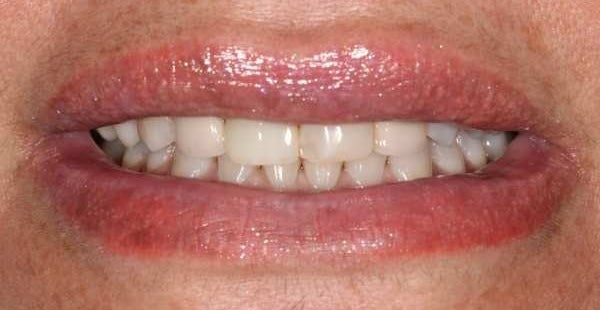
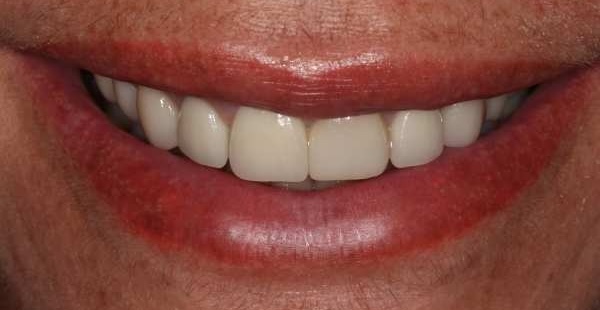
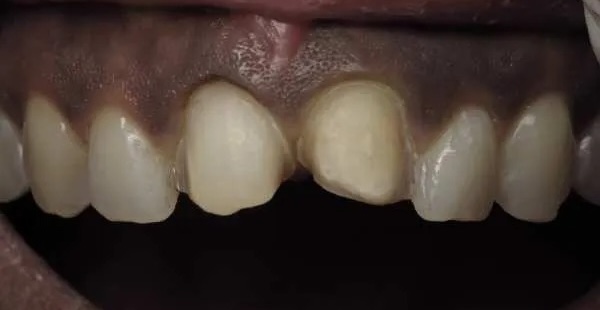
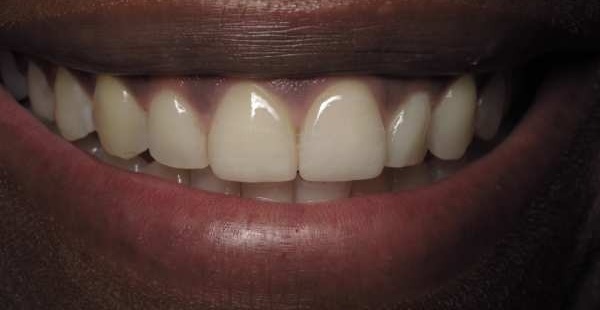
Veneers are one of the most asked-about things we do and one of the most misunderstood. A veneer is a thin restoration placed over the front surface of a tooth. It can be used to change the appearance of concerns such as discoloration, shape, size, or other cosmetic irregularities.
Veneers can be made from porcelain or composite resin. A veneer primarily covers the visible front surface of the tooth, while a crown generally covers much more of the tooth. When the tooth is structurally sound and the primary concern is cosmetic, a veneer may provide a more conservative option than a full crown.
How does the veneer process work?
It starts with planning. We evaluate the teeth, discuss what you want to change, and determine how much tooth preparation, if any, is needed.
At the preparation visit, we may remove a small amount of enamel to create space for the veneer. The amount varies depending on the tooth, the material, the position of the tooth, and the planned result. We then take a digital scan or impression so the restoration can be fabricated.
When the veneer is ready, we evaluate its fit, shape, and appearance before bonding it to the tooth. In some cases, whitening may be performed before veneer treatment when we're also trying to coordinate the shade of the surrounding natural teeth.
What is the difference between porcelain and composite veneers?
Composite veneers are made from tooth-colored resin material and may often be applied directly to the tooth in the dental office. They can be repaired or modified relatively easily, although they may be more susceptible to staining, wear, or loss of polish over time.
Porcelain veneers are ceramic restorations that are commonly fabricated outside the mouth and then bonded to the teeth. They can provide excellent color stability, surface polish, and natural-looking translucency.
Both materials have advantages and limitations. Which option is appropriate depends on your teeth, treatment goals, bite, desired appearance, and other individual factors.
How do you care for veneers?
Treat veneers much like your natural teeth. Brush twice a day, clean between your teeth regularly, and keep up with routine dental visits.
Avoid using your teeth to bite or open hard objects such as pens, fingernails, packaging, or ice. If you clench or grind your teeth, we may also recommend a night guard to help protect the veneers and your natural teeth.
Regular dental visits allow us to monitor the veneers, the teeth underneath them, the surrounding gums, and your bite.
How much do veneers cost?
The cost of veneers varies depending on the material, number of teeth being treated, complexity of the case, laboratory work, and other factors.
Dental insurance often provides limited or no coverage when veneers are being placed solely for cosmetic reasons, but benefits vary by plan. We'll review the treatment estimate and any available insurance benefits with you before treatment begins.
Financing options may also be available for patients who prefer to divide the cost of treatment into payments.
If you’re searching for quality dental care, we’re here to help. Call (229) 508-0551 or email [email protected] to schedule your visit. Our team is committed to keeping your smile healthy.