
We encounter a wide range of patients with unique oral health needs. Sometimes, these needs stem from rare genetic conditions that affect the development of teeth. Hypohidrotic Ectodermal Dysplasia (HED) is one such condition, presenting a fascinating yet challenging case for dental care. This comprehensive guide explores the world of HED, focusing on its impact on tooth development and effective dental management strategies.
Understanding the Roots of HED
HED is a rare genetic disorder affecting tissues derived from the ectoderm, the outermost layer of the developing embryo. This includes hair, skin, sweat glands, and, crucially for us, teeth. Three main types of HED exist, categorized by their inheritance patterns: X-linked, autosomal recessive, and autosomal dominant. However, the most common form, affecting around 1 in 100,000 males, is X-linked HED. Let’s look closer at the genetics behind this form.
The X chromosome carries the gene responsible for normal ectodermal development. In X-linked HED, a mutation occurs on this gene, primarily affecting males who have only one X chromosome. Carrier females, having two X chromosomes, often exhibit milder symptoms or none at all. However, it’s important to remember that these inheritance patterns can vary slightly between families.
Signs and Symptoms of HED
The telltale signs of HED often become apparent early in life. Patients may exhibit sparse or fine hair and smooth, dry skin with minimal sweating due to underdeveloped sweat glands. But for dental professionals, the most crucial clues lie in the oral cavity.
Oral symptoms of HED include:
- Oligodontia: This translates to “few teeth.” Patients with HED may have missing teeth, either partially (hypodontia) or completely (anodontia). The severity can vary, with some individuals missing only a few teeth, while others may have none at all.
- Microdontia: Alongside missing teeth, some existing teeth may be smaller than usual, a condition known as microdontia.
- Taurodontism: This less common finding involves an enlarged pulp chamber within the tooth, which could potentially impact its overall structure and function.
- Delayed Eruption: The process of permanent teeth emerging from the gums can be significantly delayed in patients with HED.
- Abnormal Enamel Development: The hard outer layer of the tooth, the enamel, may be poorly developed or misshapen, increasing the risk of decay.
Diagnosis
Diagnosing HED often involves a combination of factors. A thorough clinical examination will reveal the characteristic signs and symptoms, with a detailed family history providing valuable clues. Additionally, genetic testing can confirm the diagnosis by identifying the specific gene mutation.
Early intervention is key for optimal oral health outcomes in patients with HED. As dental professionals, we play a role in managing this condition. A dental evaluation as early as possible in childhood is crucial, even if no teeth are present. This allows us to monitor jaw development and prepare for the eruption of permanent teeth. Regular dental checkups and cleanings become even more important for patients with HED, as they are at an increased risk of developing cavities.
Addressing Missing Teeth
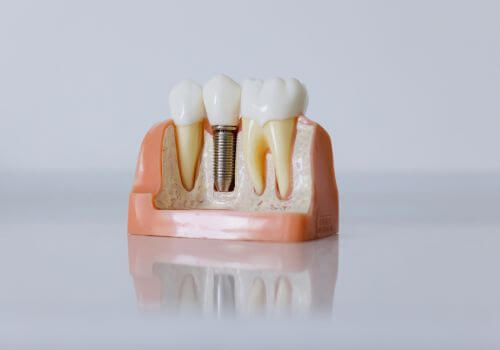
The approach to managing missing teeth depends on the condition’s severity and the patient’s age. In the case of primary teeth (baby teeth), space maintainers can be used to preserve space for erupting permanent teeth. For permanent teeth, removable dentures offer a solution for adolescents and adults. Dental implants, while a more permanent option, require careful consideration due to potential limitations in jaw development and bone density in some patients with HED. Orthodontic treatment can also be beneficial in certain cases to create optimal space for prosthetics or improve the position of existing teeth.
Caring for Existing Teeth
Even with missing teeth, maintaining the health of existing ones is paramount. Preventive measures such as regular fluoride therapy, topical applications of fluoride varnish, and sealants can significantly reduce the risk of cavities. Restorative dentistry procedures like fillings, crowns, and bridges can address existing tooth structure issues and improve functionality.
Beyond Teeth: Addressing Other Oral Manifestations
HED can sometimes lead to speech difficulties due to the absence or malformation of teeth. Early referral to a speech therapist is invaluable in helping patients develop clear and effective communication skills. Additionally, dry mouth, a common symptom of HED, can contribute to discomfort and increased risk of cavities. We can advise patients on proper hydration habits and recommend saliva substitutes to alleviate dryness.
The Emotional Impact
It’s important to acknowledge the potential for social and emotional challenges faced by patients with HED. The absence or malformation of teeth can significantly impact a person’s appearance, potentially leading to feelings of self-consciousness and social anxiety. As dental professionals, we must foster a supportive environment. Open, honest communication with patients and families is essential.
Here are some ways dentists can help mitigate the emotional impact of HED:
- Actively listen to concerns: Allow patients and families to express their anxieties and frustrations openly.
- Emphasize the positive: While acknowledging the challenges, highlight the advancements in dental technology and treatment options available.
- Maintain a collaborative approach: Involve patients and families in treatment decisions to foster a sense of empowerment and control.
- Provide resources and support: Direct patients and families to support groups or online communities for people with HED. Connecting with others with similar experiences is incredibly helpful.
Conclusion
HED presents a unique set of challenges for both patients and dental professionals. Understanding the underlying cause, recognizing the characteristic symptoms, and implementing appropriate dental care strategies are crucial for optimal oral health outcomes. Early intervention, ongoing monitoring, and a focus on both preventative and restorative care are essential elements of successful management. Additionally, acknowledging the potential for emotional difficulties and fostering open communication are critical aspects of providing holistic care. By working closely with patients and families, we, as dental professionals, can play a vital role in helping individuals with HED achieve a healthy and confident smile.
If you have any concerns about hypohidrotic ectodermal dysplasia, don’t wait to seek professional care. Reach out to us today to schedule an appointment.